Health and Safety Policy for Fulham Movers
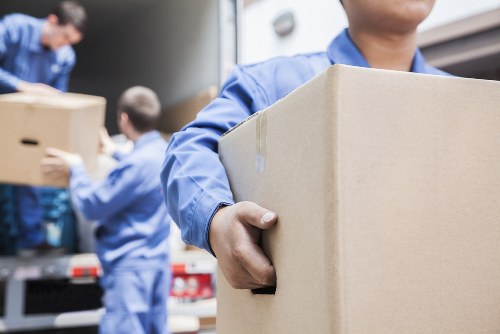 Fulham Movers is committed to maintaining a safe, healthy, and well-managed working environment for everyone involved in our removal services. This policy sets out the standards we follow to reduce risk, protect people, and support safe working practices across every move. Our approach is based on prevention, awareness, and responsibility, with clear expectations for staff, contractors, and anyone assisting on a move.
We recognise that moving and handling work can involve physical strain, changing environments, and unexpected hazards. For that reason, our health and safety measures are designed to be practical and consistent. Every relocation is assessed carefully, and our team is expected to use safe methods when lifting, carrying, loading, and unloading items. We aim to ensure that each removal job is completed efficiently without compromising wellbeing.
 The company’s safety culture depends on everyone doing their part. Employees are expected to follow procedures, wear suitable protective equipment where required, and report any concern that could affect safety. Managers and supervisors are responsible for monitoring compliance, identifying potential issues, and making sure that the workplace remains organised and controlled. Safety is not a separate task; it is part of how we work every day.
Core Responsibilities
Fulham Movers requires all team members to work in a way that protects themselves, clients, and members of the public. This includes keeping access routes clear, using correct manual handling techniques, and taking care when moving furniture, boxes, and specialist items. When heavy or awkward objects need to be moved, staff must use appropriate equipment and seek support rather than taking unnecessary risks.
Every employee has a duty to remain alert and act responsibly. If a hazard is noticed, such as damaged flooring, unstable loading areas, poor lighting, or loose items, it must be addressed before work continues. Where necessary, operations may be paused so that the situation can be assessed. Our policy encourages a proactive safety mindset so that small issues do not become serious incidents.
 We also expect all personnel to treat vehicles, tools, and equipment with care. Vehicles should be loaded securely to reduce movement during transit, and equipment must only be used for its intended purpose. Proper maintenance and routine inspection help prevent breakdowns and reduce the likelihood of injury. A safe removal service depends on reliable tools and disciplined use.
Risk Assessment and Safe Working Practices
Before each move, the team will consider the layout of the property, the volume and type of items being handled, and any features that may make the task more difficult. This includes stairs, narrow halls, fragile surfaces, weather conditions, and access limitations. The aim is to identify risks early and choose the safest approach for the job.
Where necessary, a more detailed risk review will be completed to support the operation. This review may cover lifting requirements, traffic movement, manual handling load limits, and the need for additional personnel. We believe that good planning helps reduce strain and improves efficiency. A well-organised removal is usually a safer removal, particularly when multiple items or complex access arrangements are involved.
Training is an essential part of our policy. Staff are expected to understand safe lifting techniques, correct posture, team lifting methods, and how to use removal equipment properly. Training also covers hazard recognition, incident reporting, and basic emergency response. By reinforcing these standards, Fulham Movers promotes safer habits and reduces avoidable accidents.
Workplace Welfare and Incident Management
We are committed to supporting the welfare of employees during physically demanding work. Rest breaks, hydration, and sensible pacing are important, especially during long or challenging removals. Fatigue can increase the risk of mistakes, so staff are encouraged to speak up if they feel unable to continue safely. No task should be completed under pressure if conditions have become unsafe.
 If an accident, near miss, or unsafe condition occurs, it must be reported promptly so that action can be taken. Reports are reviewed to determine what happened and how similar issues can be prevented in the future. This process helps us improve procedures and maintain a continuous safety standard across all operations. Learning from incidents is a key part of responsible business practice.
We also expect clients and other parties present at a property to follow reasonable safety instructions from our team. This may include keeping children or pets clear of work areas, avoiding obstruction in walkways, and allowing staff enough space to carry items safely. Mutual cooperation supports a more controlled environment and reduces unnecessary exposure to harm.
Equipment, Environment, and Emergency Preparedness
All equipment used by Fulham Movers must be suitable for purpose and kept in good working order. Any item that shows signs of wear, damage, or malfunction should be removed from service until inspected. This applies to trolleys, straps, blankets, securing materials, and any other tools used to support the removal process. Equipment checks are an important part of preventing incidents.
Our team is trained to respond calmly in an emergency. Depending on the situation, this may involve stopping work, clearing the area, seeking assistance, or following established emergency procedures. Fire safety, first aid awareness, and incident escalation are all treated seriously. The focus is always on protecting people first, then securing the site and resuming work only when it is safe to do so.
 This policy is reviewed regularly to ensure it remains effective, practical, and aligned with the way we work. Updates may be made in response to operational changes, new equipment, or lessons learned from experience. Fulham Movers expects every person involved in our services to help uphold these standards so that our work remains safe, professional, and dependable at all times.