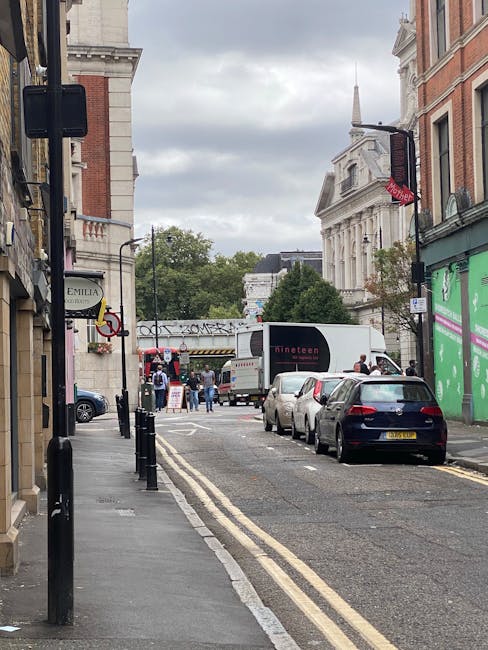
SW6 man and van access guide North End Road parking tips

If you are planning a move in SW6, the difference between a smooth job and a stressful one is often not the heavy lifting. It is access. A van can only unload efficiently if it can stop safely, the route is clear, and everyone knows where the awkward corners, narrow pavements, and parking restrictions are likely to bite. This SW6 man and van access guide North End Road parking tips article is here to make that side of the move far less messy.
North End Road is a busy stretch, and in real life that means timing, patience, and a bit of local know-how matter. You do not need perfection. You do need a decent plan, a realistic loading point, and enough awareness to avoid the classic mistakes that cost time, money, and nerves. Let's face it, nobody wants a van circling the block while someone stands in the hallway with a sofa.
In the sections below, you will find practical guidance on access, parking, unloading, and how to choose the right moving setup for a flat, house, student move, or small office move in and around SW6.
- Why this guide matters
- How access and parking planning works
- Benefits of getting it right
- Who this is for
- Step-by-step moving guidance
- Local expert tips
- Common mistakes to avoid
- Tools and practical recommendations
- Best practice, safety, and compliance
- Options and comparison table
- Real-world example
- Checklist
- Conclusion
- Frequently asked questions
Why SW6 man and van access guide North End Road parking tips Matters
Access planning sounds simple until the van arrives and the reality on the ground kicks in. A road can look wide enough on a map and still be awkward in practice because of traffic, parked cars, loading pressure, time limits, or a building entrance tucked just off the main road. Around North End Road, that is exactly the kind of thing that can turn a straightforward move into a stop-start shuffle.
The reason this matters is not just convenience. Better access planning helps protect your belongings, reduces the time crew spend carrying items, and lowers the chance of damage to walls, doors, lifts, or furniture. It also helps the move feel calmer. There is a big emotional difference between "we know where to stop" and "we'll just figure it out when we get there."
If you are using a local man and van service, the driver and crew still need a sensible place to stop and work. The best moving jobs usually happen when the customer has already thought through the basics: entrance access, stairwells, parking restrictions, and whether large items can pass through doorways without gymnastics.
In SW6, the practical issue is often the overlap of residential streets, busier main-road traffic, and building-by-building variation. Two properties on the same road can have completely different loading realities. That is why a one-size-fits-all approach rarely works.
Expert summary: if you only remember one thing, remember this: good access planning is not about being overly cautious. It is about removing avoidable friction before the van arrives.
How SW6 man and van access guide North End Road parking tips Works
The process is really about matching the vehicle, the timing, and the property layout. A man and van move is flexible, but flexible does not mean improvised. It works best when each part of the move is thought through in order.
First, identify exactly where the van can stop. For some properties, that may be a short loading stop near the entrance. For others, it may be a side street nearby, with a short carry to the front door. If your building is on or near North End Road, be honest about whether the loading point is directly outside or whether you will need to plan a bit of a walk.
Second, think about timing. Morning periods can feel very different from late afternoon, and a short stop can become slower if traffic is heavy or parking spaces are full. Even a few minutes of extra circulation can change the whole rhythm of the move. One of those annoying little details, but it matters.
Third, look at the property itself. A ground-floor flat with a direct entrance is a different job from a top-floor conversion with a narrow stairwell and a tight front step. When people say a move "just needs a van," they are usually forgetting the carrying distance and the physical layout. That is the bit that tends to decide whether the job is easy or tiring.
Fourth, decide what level of support you actually need. A small move with a few bags and boxed items may suit a light, fast removal van setup. A move with larger furniture, a mattress, or multiple heavy appliances may need more preparation, more time, and potentially a larger vehicle or additional hands.
And finally, factor in parking common sense. If the van cannot stop legally and safely, the move slows down. Simple as that. Sometimes the best solution is not the closest one but the one that keeps the road clear and gives the crew room to work without pressure.
Key Benefits and Practical Advantages
Good access and parking planning brings benefits that show up immediately on moving day. You notice them in the first ten minutes, usually when the van arrives and nobody is scrambling.
- Faster loading and unloading: short carry distances save real time, especially with boxes or awkward furniture.
- Less damage risk: fewer bumps against hallways, railings, and door frames.
- Lower stress: the move feels organised rather than chaotic.
- Better value: less wasted time can mean a more efficient job overall.
- Safer handling: crew can focus on lifting properly instead of hurrying because of traffic pressure.
There is also a quieter benefit: confidence. When customers know the van has somewhere workable to stop, they tend to feel more settled. That mood matters. Moving is physically tiring, yes, but the mental load is often the bigger thing.
If you are moving out of a flat, combining access planning with support from flat removals can make the job much more manageable. For people shifting boxes, furniture, and clothes in one go, the move becomes less about improvisation and more about execution. Honestly, that is where the difference lies.
Who This Is For and When It Makes Sense
This guide is useful for anyone moving in or out of SW6, but it is especially relevant if you are dealing with North End Road or the streets feeding into it. Some situations need more planning than others.
- Tenants moving in or out of flats with limited outside space
- Students needing a quick, low-fuss move between addresses
- Small households with a sofa, bed, and a stack of boxed items
- People moving into or out of busy high-street-adjacent buildings
- Small businesses relocating stock, files, or office furniture
- Anyone needing same-day flexibility because timing shifted at short notice
This is also useful if you are not sure whether you need a full removals setup or something lighter. A lot of people overestimate what a move needs. Others underestimate it. Both happen, especially when the property has awkward access or the furniture is bigger than it looked in the photo. Been there, seen that.
If you are a student or moving from a compact flat, the right service might be a simpler move supported by student removals planning. If you are moving more bulky household contents, then a broader removal services approach may make more sense. The point is not to buy more than you need; it is to match the job to the reality of the building and the street.
Step-by-Step Guidance
Here is the practical version. Not glamorous, but it works.
- Check the property entrance. Measure mentally if needed: is the front door directly on the street, up steps, through a communal hallway, or around the side? These details decide the carrying route.
- Look at parking options early. Before moving day, walk the street if you can. Identify where a van might stop without blocking access or creating problems for neighbours.
- Make a list of large items. Sofas, wardrobes, beds, white goods, desks, and anything awkward should be noted in advance. One heavy item can change the whole plan.
- Group items by room. That sounds basic, but it reduces confusion at unloading time. Boxes labelled clearly are a blessing.
- Keep a clear path to the exit. Hallways fill up fast. One pile in the wrong place and everything feels smaller. It always does.
- Reserve time for loading. If the van can only stop briefly, have the key items ready first. Do not bury the mattress under miscellaneous boxes and a coat rack.
- Think about the return trip. If the van has to come back for a second load, plan whether there is enough time and parking flexibility for that to happen smoothly.
A sensible moving day often starts with the building rather than the boxes. If your property has a tricky stairwell or a tight entrance, it may be worth combining the move with packing and boxes support, so items are easier to carry and stack. That is the sort of practical detail people usually appreciate after the first awkward lift.
If the move involves a larger vehicle or multiple trips, a moving truck may be more suitable than a compact van. But for many SW6 moves, keeping things lean and well-timed is the better choice. You do not need a parade; you need a workable loading plan.
Expert Tips for Better Results
Over time, the jobs that run smoothly tend to have the same quiet habits behind them. Nothing dramatic. Just good preparation.
1. Keep the front of the move simple. The first items out should be the hardest to manoeuvre. If the van stop is brief, do not waste that window on easy bags that could be loaded later.
2. Leave extra room for surprises. A street that looks clear can fill up quickly. A delivery van, bin lorry, or neighbour's car can change the parking picture within minutes.
3. Protect the building as well as the furniture. Door mats, blankets, and careful lifting matter. In narrow communal areas, one careless turn can mark a wall before anyone notices.
4. Use the quietest access route available. If there is a side entrance or a less busy approach, it can sometimes be better than the obvious front door route. Not always, but often enough to be worth checking.
5. Be realistic about the weather. Rain, wet pavements, and low light make handling slower. A wet North End Road morning is not the time to discover that half your boxes have weak handles.
6. Separate essentials. Keep keys, chargers, documents, tea supplies, and anything you need immediately in a separate bag. Small thing, big relief. Moving day runs on small reliefs.
If you are comparing support levels, think in terms of effort as much as price. A move that looks cheaper on paper can become expensive in stress if the access is poor and the parking is awkward. That is why many people choose a company with proper experience in removals rather than trying to improvise everything themselves.
Common Mistakes to Avoid
A lot of moving trouble comes from the same handful of mistakes. The good news is they are easy to avoid if you know what to look for.
- Assuming the van can park outside. Never rely on "it should be fine." Check it.
- Not measuring large furniture. A sofa that reaches the van is not the same as one that fits through a narrow hallway.
- Leaving parking too late. On busy roads, the good stop is often gone by the time you arrive.
- Overfilling the hallway. A cluttered exit slows the whole move and makes lifting more awkward.
- Ignoring the return journey. If the van needs to come back, that second parking window matters too.
- Forgetting building rules. Some blocks have access codes, concierge expectations, or specific loading arrangements. Always check in advance.
One of the sneakiest mistakes is underestimating how long short carries take. Even if the van is only parked a little way off, repeated trips can add up. That is why access planning is not a side issue; it is part of the job.
Another common one? Not telling the mover about the awkward bit. Stairs, low ceilings, broken lifts, a narrow gate, a long driveway, no lift, a heavy fridge. Say it plainly. Nobody enjoys surprises in the middle of a lift. Nobody.
Tools, Resources and Recommendations
You do not need fancy equipment, but a few practical tools make life easier. Most of them are basic, which is exactly why they get forgotten.
- Strong boxes and tape: use solid cartons that can be stacked without sagging.
- Marker pen: label by room and priority. Quick to do, very useful later.
- Furniture covers or blankets: ideal for protecting corners and polished surfaces.
- Door protection: helps when passing larger items through tighter entrances.
- Simple floor plan: even a rough sketch of the new place can help with placing furniture efficiently.
- Phone torch: handy for darker stairwells, under-stair storage, and basement access.
For support with building up your move in a sensible order, it can also help to look at home moves if you are relocating a full household, or office removals if the move is work-related and needs a tighter schedule. The access challenges are different, but the principle is the same: organise the move around the building, not the other way round.
If you need temporary holding space because the timing between addresses is awkward, storage can be a helpful bridge. That is especially useful when keys are delayed, completion times slip, or you simply do not want to rush everything into one crowded day.
Law, Compliance, Standards, or Best Practice
For a local move like this, the main thing is to follow sensible UK moving best practice rather than making risky assumptions. You should aim to park legally, avoid blocking access, and keep pedestrians safe. If loading near a busy road, the crew needs enough space to work without creating avoidable hazards.
In practical terms, that means checking any local parking restrictions, respecting permit rules where they apply, and not treating a short stop as a free-for-all. If you are unsure about the street arrangement, it is better to plan conservatively. That is just good practice. It keeps things polite as well as efficient.
Safety matters too. Heavy lifts, tight turns, wet ground, and cluttered access routes all increase the chance of injury or damage. A well-run move should reflect sound handling habits, clear communication, and a realistic timetable. If you want to understand how a mover handles these responsibilities, it is worth reviewing pages such as health and safety policy and insurance and safety so you know what standards they work to.
There is also a trust angle. A reputable mover should be transparent about pricing, conditions, and what is included. If a job around North End Road has access complications, the estimate should reflect that clearly rather than hiding it in the fine print. That honesty saves time later.
Options, Methods, or Comparison Table
Not every SW6 move needs the same setup. The right choice depends on access, volume, and how much lifting you want to do yourself.
| Option | Best for | Strengths | Limitations |
|---|---|---|---|
| Small man and van | Compact flats, student moves, a few furniture items | Flexible, easier on tight streets, usually quicker to organise | Limited space if the move expands |
| Removal van | Household items with moderate volume | Good balance of capacity and manoeuvrability | May still need careful parking planning |
| Full removals service | Larger home moves, heavier furniture, time-sensitive jobs | More support, better for complex access and loading | Can be more than you need for a very small move |
| Truck-based move | Bulkier loads or multiple rooms | Higher capacity, efficient for larger jobs | Less convenient on congested streets if parking is tight |
In many North End Road situations, the small or medium setup wins because it is easier to position and quicker to work from. But if your move includes a lot of furniture, you may benefit from a bigger vehicle or a more complete service. The clever move is the one that fits the street as well as the furniture.
Case Study or Real-World Example
Picture a typical Friday morning move in SW6. A tenant is leaving a first-floor flat with a sofa, bed base, boxed kitchen items, and a bicycle. The property is close to North End Road, so the obvious idea is to stop right outside. Except, when the van arrives, the spaces are full and a delivery vehicle is already half in the picture. Standard London story, really.
Because the move was planned properly, the crew already knew there was a workable loading point a short walk away. The tenant had grouped boxes by room, the larger items were ready first, and the route through the hallway had been cleared the night before. Nothing glamorous. Just tidy.
The result? Fewer delays, less backtracking, and no need to rethink the whole move on the spot. The sofa was wrapped, the bicycle went last, and the flat was left without scuffed walls or a trail of panic. By early afternoon, the move was done and the customer could get on with the rest of the day instead of spending it standing around waiting for parking luck to improve.
That is the real lesson here. Good access planning does not have to be fancy. It just has to be done.
Practical Checklist
Use this before the van arrives.
- Confirm the exact address and entrance point
- Check where a van can legally and safely stop
- Identify any steps, narrow hallways, or lift issues
- List all large furniture and appliances
- Label boxes by room and priority
- Keep a clear path from room to front door
- Prepare keys, access codes, and any building instructions
- Set aside essentials for the first 24 hours
- Discuss timing and likely loading duration with the mover
- Have a backup parking or loading option in mind
If you are moving from a larger property or need more structured help, you may also want to consider house removals for a more comprehensive approach, or same-day removals if your timetable has become tight and you need things handled quickly. Different situations, different solutions. Simple as that.
Get a free quote today and see how much you can save.
Conclusion
A move in SW6 near North End Road is rarely difficult because of the boxes alone. It is the access, parking, timing, and street reality that shape the experience. Once you plan those properly, everything else becomes much easier to manage.
Whether you are shifting a few items, a full flat, or a small business load, the same principle applies: plan the stop, clear the route, keep the loading simple, and tell the mover anything unusual before moving day. That bit of honesty saves everyone from a headache later on.
If you take anything from this guide, let it be this: a calm move starts with small decisions made early. The van, the parking, the doorway, the stairs, the boxes. It all adds up.
And in the end, that little bit of preparation can make a very busy London move feel surprisingly manageable.
Frequently Asked Questions
What is the best way to plan parking for a man and van move near North End Road?
Start by checking where the van can stop legally and safely, then build your loading plan around that spot. If the direct outside space is unavailable, identify a nearby fallback before moving day.
Do I need to reserve a parking space for a SW6 move?
Not always, but you do need a realistic plan. For some properties, street parking is enough. For busier locations, it is better to think in terms of access strategy rather than hoping for an empty bay.
How much notice should I give a mover about access problems?
As early as possible. Stairs, narrow entrances, no lift, long carries, or awkward parking all affect timing. The earlier the mover knows, the better they can prepare.
Is a man and van service suitable for flat moves in SW6?
Yes, often it is ideal for smaller flats or lighter loads. If your access is tight but the volume is manageable, a man and van setup can be a practical choice.
What should I do if parking outside is impossible?
Look for the nearest sensible loading point and keep the carry route clear. If necessary, choose a slightly smaller or more flexible vehicle setup that works better on the street.
How can I make unloading faster on the day?
Label boxes clearly, keep the entrance unobstructed, and load the hardest items first. If the crew can move straight from van to room without stopping to reorganise, everything speeds up.
Are there specific risks on busy London roads like North End Road?
Yes. Traffic flow, parked vehicles, pedestrians, and time pressure can all affect loading. The main risk is rushing. Slower, clearer planning is usually safer and smoother.
What size move is too big for a small van?
If you have several bulky furniture items, multiple rooms of contents, or heavy appliances, a small van may be too tight. It is better to match the vehicle to the job than to cram everything in.
Should I use storage if my move-in time is delayed?
Yes, storage can be a helpful bridge if your keys are late or your completion timing changes. It removes pressure and keeps the day from becoming a scramble.
How do I know if I need removals rather than just a van?
If the property is large, the access is complicated, or you want more hands on the day, a fuller removals service may be the better fit. Smaller, simpler moves often suit van-based support.
What can I do the night before to help the move?
Finish packing, clear the hallway, set aside essentials, and make sure access instructions are ready. A quiet bit of preparation the night before can save a lot of stress the next morning.
Where should I go next if I want help with a move in SW6?
Look at the services that match your situation, check the company's safety and pricing information, and then get a quote based on your actual access and load. The more accurate the details, the better the plan will be.